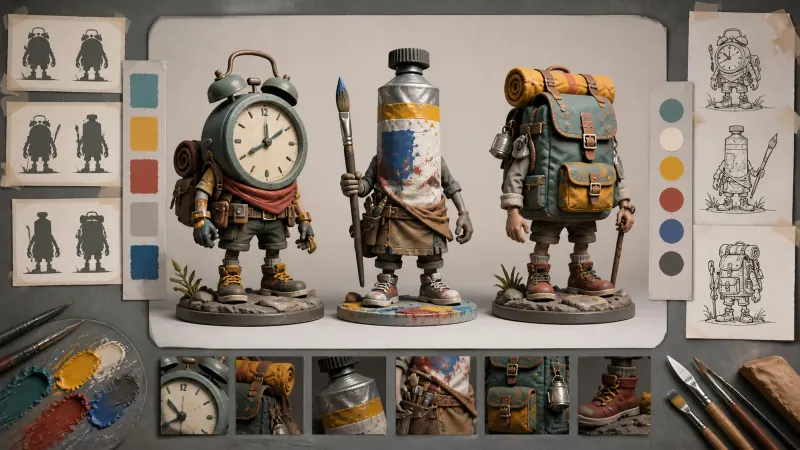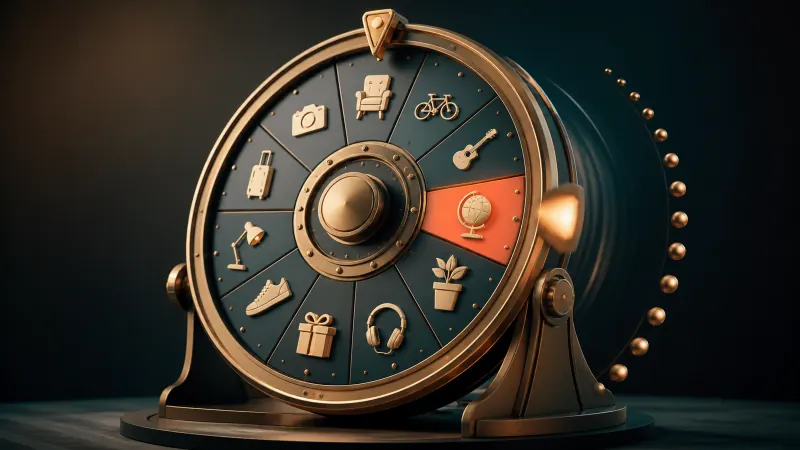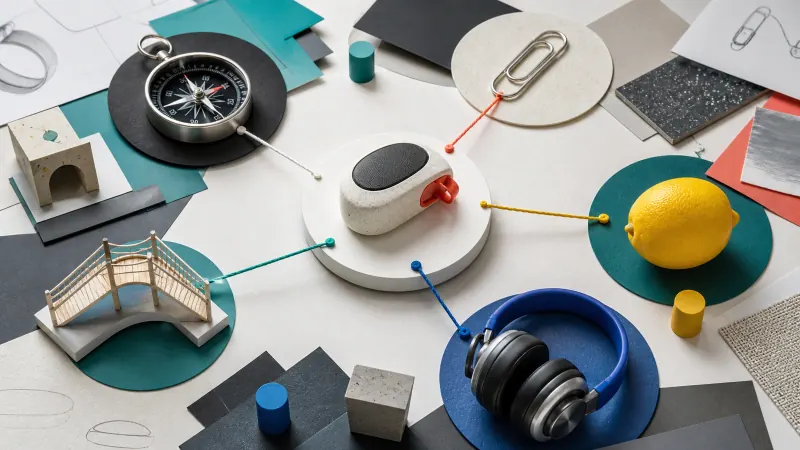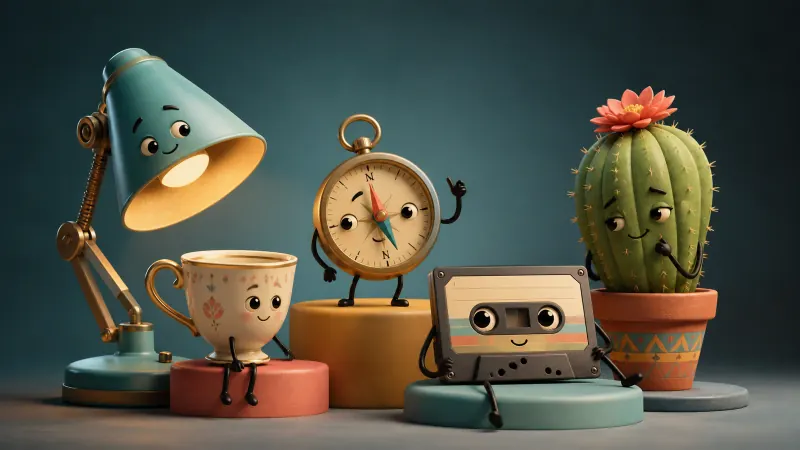
Object shows are built on a simple, brilliant premise: everyday things come to life as characters with faces, feelings and rivalries. If you are creating your own, the hardest early step is deciding which objects your cast will be — and an Object Generator is the ideal brainstorming partner for exactly that.
This guide covers how to turn a random object into a character with real personality, how to build a balanced cast, and the common mistakes that make an object show feel derivative.
Why Random Beats Deliberate for Casting
Left to choose freely, most creators reach for the same objects. Pencil, book, balloon, lightbulb and apple appear in an enormous number of object shows, because they are the first things anyone thinks of when asked to name an object.
A generator hands you things you would never have shortlisted — a colander, a metronome, a fire extinguisher — and those are precisely the characters that make a cast memorable. Originality in this genre comes far more from unusual object choice than from unusual writing.
There is a design benefit too. Unfamiliar objects force you to solve their silhouette and expression from scratch rather than copying a visual convention that already exists for pencils and books.
Your cast is memorable in proportion to how few other shows thought of those objects first.
Turning an Object Into a Character
A shape is not a character. Run each generated object through these four questions and a personality usually appears on its own.
What Does It Do?
Function is the fastest route to personality. A sieve separates things — so it is judgemental, or a gossip who lets the good parts through. A stapler binds things together — a peacemaker, or controlling. Start with purpose, not appearance.
What Is It Made Of?
Material suggests temperament. Glass is fragile and honest. Rubber is resilient and hard to offend. Cast iron is stubborn and slow to change its mind.
What Is Its Weakness?
Every object has a failure mode, and it makes an excellent character flaw. A balloon fears sharp things. A sponge absorbs everyone else's mood. A clock cannot stop worrying about time.
How Does It Move?
Movement drives animation and comedy. A wheel rolls fast and cannot stop precisely. A ladder is rigid and needs help to travel. A feather has no control over its own direction.
Building a Balanced Cast
Generate eight to twelve objects and sort them into roles rather than assigning arbitrarily.
| Role | Object qualities | Example |
|---|---|---|
| Leader | Rigid, structural, load-bearing | Brick, anvil, ladder |
| Comic relief | Bouncy, unpredictable, noisy | Spring, whistle, rubber duck |
| Antagonist | Sharp, cutting, corrosive | Scissors, magnet, bleach bottle |
| Anxious one | Fragile, easily damaged | Egg, mirror, light bulb |
| Quiet observer | Reflective, still, watchful | Camera, telescope, puddle |
| Wildcard | Unclassifiable, odd function | Metronome, corkscrew, kaleidoscope |
A cast works when personalities clash in more than one direction. If everyone is friendly except a single antagonist, the group has one axis of conflict and runs out of stories quickly. Aim for at least three characters who can each irritate one another for different reasons.
Designing the Look
Once the personality exists, the design follows a few practical rules:
- Keep the silhouette readable. A viewer should identify the object from its outline alone, at small size.
- Place the face where function lives. On a kettle, near the spout. On a book, on the cover. Faces in arbitrary positions look unconsidered.
- Vary heights and widths across the cast. Twelve similarly proportioned characters are hard to tell apart in a group shot.
- Let damage tell a story. A dented, scratched or repaired object implies history before any dialogue.
Writing Conflict Between Objects
A cast of well-designed objects still needs reasons to argue. The genre's advantage is that object properties supply those reasons automatically, which is why object show conflict feels natural rather than forced.
Look for physical incompatibilities in your generated set. Water and paper cannot coexist safely, which makes any friendship between them precarious in a way the audience feels immediately. Magnet and compass have a relationship where one simply cannot help disrupting the other — sympathetic antagonism rather than villainy. Mirror and anything insecure creates conflict without either character intending harm.
The strongest object show writing uses these built-in tensions rather than importing generic sitcom disputes. When a conflict could be transplanted to any cast of humans without changing, it is not using the premise. When it could only happen between a sponge and a sieve, it is.
Naming Characters
Object show naming usually falls into three patterns. Straight naming — Kettle, Spoon — is clear and genre-appropriate. Modified naming, such as Kettly or Spoonie, adds warmth. Personal naming, giving a fire extinguisher the name Gary, reads as comedic and works well for a wildcard.
Pick one convention and apply it consistently. Mixed naming systems across a cast make the show feel unplanned, and consistency is doing more work here than cleverness.
Keeping Your Cast Reproducible
Note the seed used to generate your cast. If you rebuild or expand the show later, the same seed returns the same objects — useful for collaborators joining a project mid-way. Seeds are explained here.
For broader original character work beyond the object show genre, see our OC ideas guide.
Frequently Asked Questions
How many characters should an object show have?
Eight to sixteen for a competition format, four to six for a narrative series. Larger casts need eliminations to stay manageable, which is partly why the competition structure became the genre standard.
What if I get an object that seems impossible to personify?
Those are usually the best characters. Ask what it does and what breaks it — every object has both, and a personality follows from that pair.
Should characters keep their real-world limitations?
Consistently, yes. If a paper character can get wet without consequence, you have discarded your most reliable source of stakes and comedy.
Can I use generated objects commercially?
Object names are ordinary words and cannot be owned. Your designs and writing are your own work.
Generate Your Cast
Open the Object Generator, draw twelve objects, and run each through the four questions above. You will have a cast with clashing personalities before you have drawn a single face.